

Ever wonder how some blockchain solutions are sleek and efficient while others seem to drag their feet? Enter ULDM, or Ultra-Layered Dynamic Mechanisms, knocking on the door of the Bitclassic universe like an eager puppy. In this text, we’re diving deep, no floaties allowed, into what ULDM means for the future of Bitclassic. So buckle up, because this ride is going to be informative, funny, and a bit mind-blowing.
What Is ULDM?
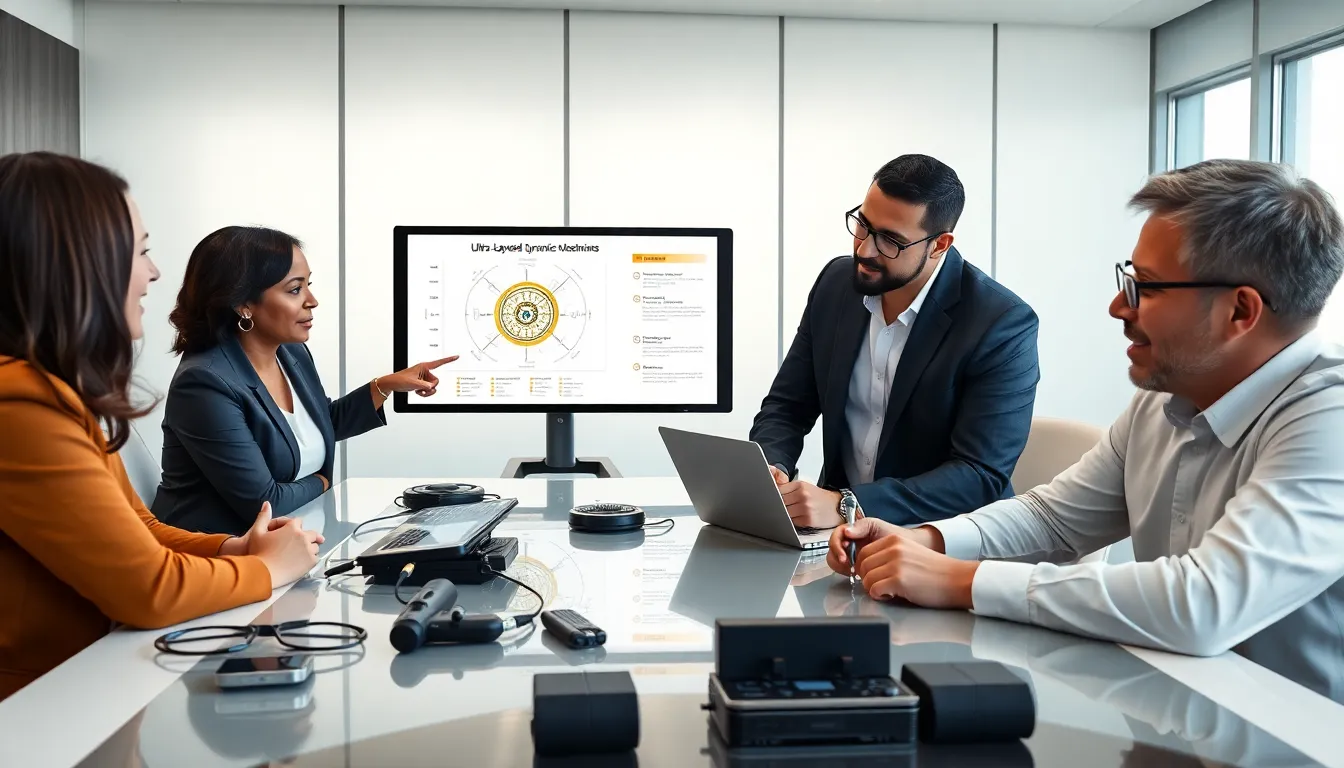
ULDM stands for Ultra-Layered Dynamic Mechanisms, a term that may sound like something out of a sci-fi novel but is very much grounded in today’s technological advancements. Essentially, it’s a sophisticated system designed to optimize blockchain performance. This mechanism tailors itself dynamically, adjusting layer interactions based on real-time data. Rather than a one-size-fits-all approach, ULDM offers a customizable framework. This means corporations and developers can tweak their layer settings according to specific project needs, enhancing both efficiency and security.
The Evolution of Bitclassic
Bitclassic wasn’t always the titan it is today. Back in its inception, it emerged as a simple framework for peer-to-peer transactions. Fast-forward to now, where the landscape has become increasingly crowded with various cryptocurrencies and blockchain applications vying for attention. Bitclassic adapted by incorporating several new technologies and methodologies, including ULDM. The introduction of these dynamic mechanisms helped Bitclassic stay relevant in an era where performance and security are paramount. Take a stroll down memory lane, and you’ll see how far this platform has come, like watching a teenager morph into a fully-fledged adult.
Core Components of ULDM
ULDM operates on three primary components: layers, dynamics, and feedback loops.
Layers
The first element involves several blockchain layers that communicate seamlessly. Each layer has distinct responsibilities yet works synergistically for optimal output. Think of them as a well-oiled machine, every piece has a role but together they create something great.
Dynamics
Next up, dynamics refers to the ability of ULDM to adapt in real time. By using advanced algorithms, the system alters its functions based on the demands of the network. When transactions surge, it ramps up operations like a sprinter at the sound of a starting gun.
Feedback Loops
Finally, feedback loops ensure the system continuously learns. If something doesn’t work as anticipated, ULDM analyzes the data, makes adjustments, and improves over time. This is akin to fine-tuning a musical instrument until it strikes a perfect chord.
Benefits of ULDM in Bitclassic
Integrating ULDM into Bitclassic doesn’t just sound good on paper: it’s packed with benefits that could sway even the staunchest skeptics.
How ULDM Enhances Performance
Let’s dive right into it. One of the standout features of ULDM is how it enhances performance. With its ability to scale according to user demand, transaction speeds increase and costs decrease. Also, network congestion becomes a relic of the past. This results in quicker transactions and less downtime, which can significantly improve user satisfaction. Essentially, ULDM transforms Bitclassic from a reliable platform into a turbocharged powerhouse.
Use Cases for ULDM in Bitclassic
The use cases for ULDM in Bitclassic are vast and varied. Industries like finance, supply chain, and healthcare could massively benefit from its integration.
In finance, for instance, rapid transaction speeds could revolutionize trading. Imagine making trades that are not only quick but secure enough to minimize fraud risks. In supply chain management, ULDM can streamline operations by allowing real-time updates that improve inventory management. Healthcare can also leverage this technology to ensure secure and timely updating of patient records. Each application illustrates not just what’s possible but hints at the future that lies ahead when harnessing ULDM.
Challenges and Limitations of ULDM
Even though its array of benefits, ULDM isn’t without its hurdles.
The complexity of implementing such a dynamic system can deter organizations. Transitioning from a traditional model requires extensive technical training and an upfront investment that not every company can afford.
Also, the increased complexity can also pose security risks. Each moving component needs to be secured, or unintended vulnerabilities could arise. Finding that balance between functionality and security poses a significant challenge.
The Future of ULDM and Bitclassic
The future looks bright for ULDM and Bitclassic. With ongoing advancements in blockchain technology, the potential for enhanced features grows exponentially. Experts predict that as industries begin to adopt more dynamic systems, ULDM could standardize how blockchain interacts on a large scale, setting benchmarks for future developments. Companies aiming to innovate will find themselves leaning towards ultra-layered solutions, making it an exciting time to be involved in blockchain.